Featured

Everything about Key Things to Ask Any Financial counseling for veterans in Alabama who feel stuck making only minimum payments Provider
Table of Contents
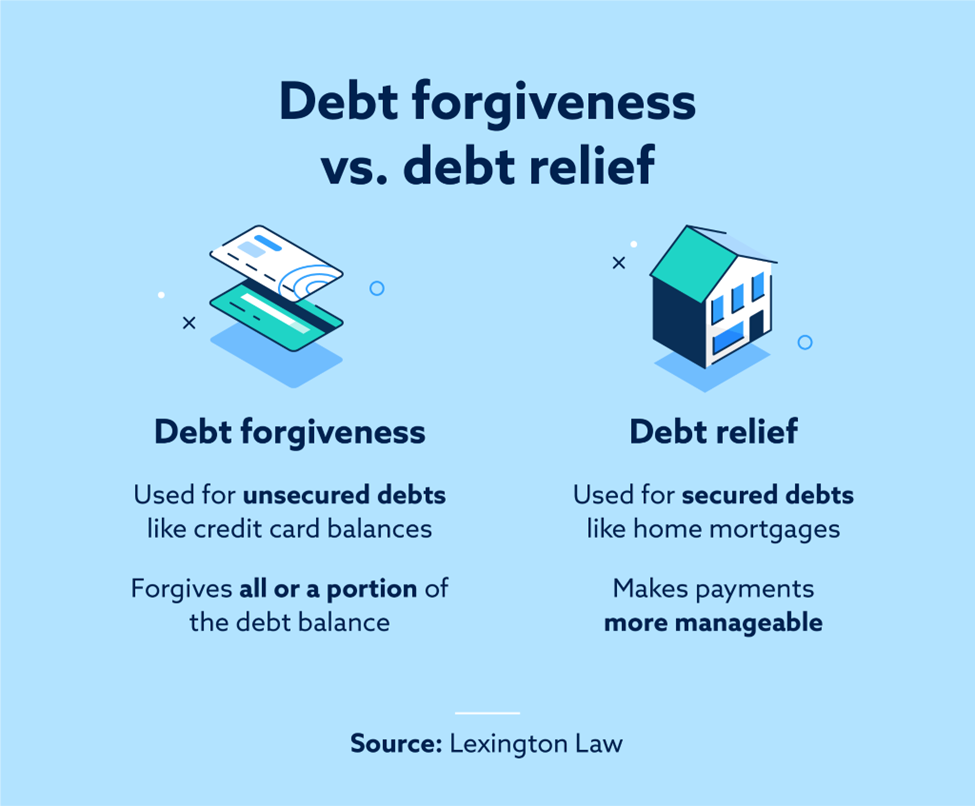
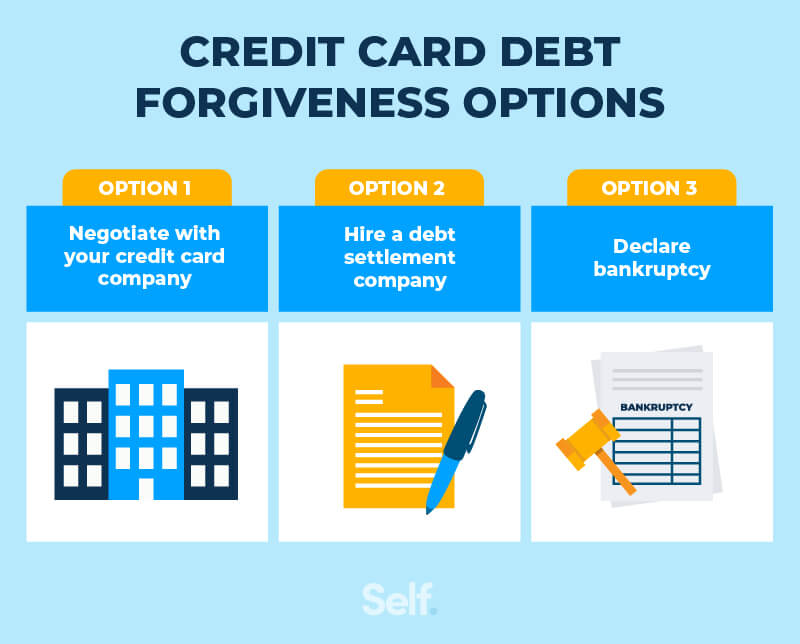
That maximizes money in the short-term, and you may have 3 to four years to conserve toward the settlement quantity. Extremely damaging to credit report, mainly due to missed out on payments and an unfavorable "cleared up" mark that can remain on your credit score report for as much as 7 yearsMay be just choice if other options (debt consolidation, equilibrium transfer charge card, financial debt forgiveness) aren't possibleTypically requires a fee to the 3rd party, which can balance out some or every one of the savings from debt settlementMay assist you prevent personal bankruptcy if you have actually missed several paymentsNot all financial institutions work with debt negotiation business Financial debt mercy might be right for you if you are experiencing a financial difficulty that makes it virtually difficult to pay down your financial debt balances.

With a DMP, you make one regular monthly settlement to the credit history counseling company. Those funds are then dispersed to creditors of your unprotected debts, such as charge card and installment lendings. The company functions with your financial institutions to reduce passion rates or waive charges, yet some creditors might decline such giving ins.
A debt combination loan combines your qualified debts right into one new finance. It can aid you pay down debt if you have the ability to secure a lending price that's less than the ordinary rate of the accounts you're combining. Nonetheless, you must avoid racking up financial obligation on those newly gotten rid of accounts or your financial debt could grow also higher.
These cards commonly use a 0% passion initial period of approximately 21 months. That provides you a lot of time to eliminate or significantly reduce your equilibrium while making interest-free repayments. For some people encountering impossible financial obligation, bankruptcy may be the only way to quit collection procedures and legally settle their debts.
Facts About Creating Post-Bankruptcy Budget for Lasting Stability Revealed
You may need it if your financial institution or a debt collector ever before tries to gather on the financial debt in the future. The letter could prove you don't owe what the debt collection agency's records reveal. Yes, in many instances, the IRS considers forgiven financial obligation as taxed revenue. When a loan provider forgives $600 or even more, they are needed to send you Form 1099-C.
Debt forgiveness or negotiation generally hurts your debt. Anytime you resolve a financial obligation for much less than you owe, it may look like "settled" on your credit score report and impact your credit history for 7 years from the day of settlement. Your debt can additionally drop substantially in the months causing the forgiveness if you drop behind on repayments.
Excitement About Recovering Personal Financial Standing the Right Way
This situation frequently results from underreporting revenue, not filing returns on time, or disparities discovered during an Internal revenue service audit. The consequences of collecting tax obligation debt are significant and can consist of tax obligation liens, which offer the IRS a legal claim to your home as security for the financial obligation.
Earnings and Financial institution Accounts Internal revenue service can impose (seize) incomes and financial institution accounts to satisfy the financial debt. Residential or commercial property Seizure In extreme cases, the Internal revenue service can confiscate and offer residential property to cover the financial debt.
Anxiety, stress and anxiety, and various other mental wellness concerns. Social Stigma Facing legal activity from the internal revenue service can lug social stigma. Damage to online reputation and partnerships. Employment Opportunities A bad credit rating as a result of tax debt can limit employment possibility. Trouble finding or maintaining a work. Government Advantages Tax obligation financial obligation may influence eligibility for government advantages, such as Social Safety and Medicaid.
Little Known Questions About Comparing Debt Relief Companies to Choose the Right Fit.
The OIC considers several aspects, including the taxpayer's revenue, expenses, property equity, and capability to pay. Successfully bargaining an OIC can be intricate, requiring a thorough understanding of the internal revenue service's standards and a strong argument for why your deal straightens with your capability to pay. It is necessary to note that not all applications are accepted, and the process requires detailed monetary disclosure.
The IRS examines your overall financial scenario, including your income, expenditures, asset equity, and capacity to pay. You have to also be existing with all declaring and repayment needs and not remain in an open personal bankruptcy case. The IRS additionally considers your conformity background, assessing whether you have a record of timely filing and paying taxes in previous years.
The Innovation Improving Financial counseling for veterans in Alabama who feel stuck making only minimum payments Statements
The application process for a Deal in Concession involves several in-depth actions. You need to finish and send IRS Type 656, the Offer in Concession application, and Kind 433-A (OIC), a collection info declaration for individuals. These types require detailed financial information, including details regarding your income, financial obligations, expenditures, and possessions.
Back taxes, which are unsettled taxes from previous years, can significantly raise your complete IRS financial debt if not resolved quickly. This debt can accumulate rate of interest and late settlement fines, making the initial amount owed a lot bigger with time. Failure to repay tax obligations can result in the internal revenue service taking enforcement actions, such as providing a tax lien or levy versus your residential property.
It is very important to address back tax obligations as quickly as possible, either by paying the total owed or by setting up a layaway plan with the IRS. By taking proactive steps, you can prevent the buildup of extra interest and fines, and avoid extra hostile collection activities by the IRS.
One usual factor is the idea that the taxpayer can pay the full amount either as a swelling sum or via a settlement plan. The IRS additionally takes into consideration the taxpayer's earnings, costs, possession equity, and future earning capacity. If these variables indicate that the taxpayer can afford to pay greater than the used amount, the internal revenue service is likely to deny the offer.
Developing Your Custom Route to Stability Can Be Fun For Everyone
It is important to offer precise and total information in your application and to talk to a tax obligation specialist to improve the opportunities of acceptance. Taking care of internal revenue service financial obligation can be intricate and daunting. Tax obligation specialists, such as Certified public accountants, tax obligation lawyers, or signed up agents, can supply indispensable assistance. They have the expertise to navigate the details of tax legislation and IRS treatments.

Table of Contents
Latest Posts
Why Bankruptcy Counseling Matters for Dummies
The 8-Second Trick For Credit Card Debt Rebuild Credit Pathways
Getting The No-Cost Digital The 12 Most Common Myths About Debt Relief—Busted by Real Counselors : APFSC Resources Provided to You To Work
More
Latest Posts
Why Bankruptcy Counseling Matters for Dummies
The 8-Second Trick For Credit Card Debt Rebuild Credit Pathways